
Burnout Is Not Always About Energy
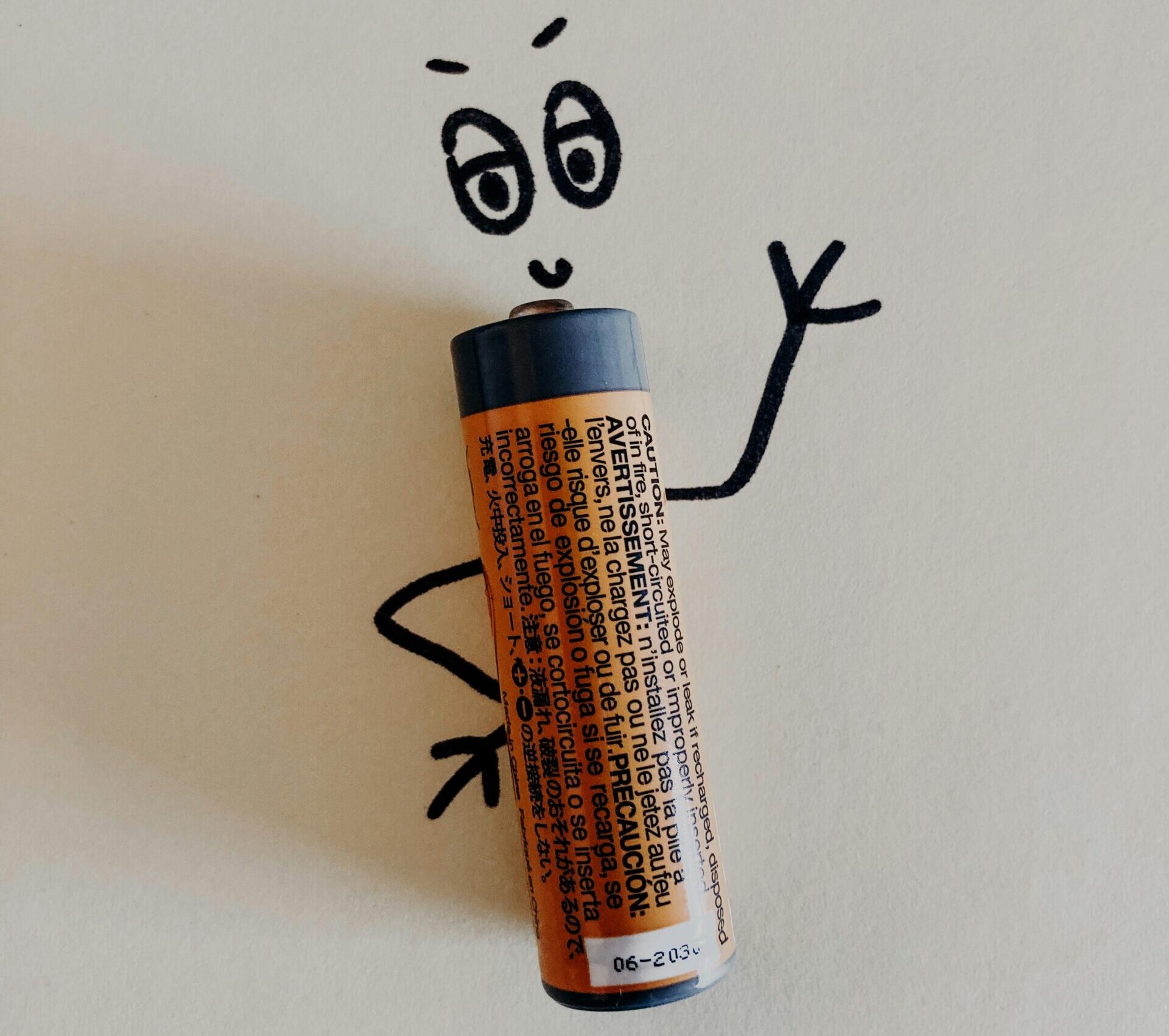
Most people describe burnout like a dead battery.
Work too much. Push too hard. Run out of energy. Then rest long enough to recharge.
However, that explanation no longer fits what many people experience.
You can sleep eight hours, take a weekend off, and still feel mentally wrecked. You can step away from work while your nervous system continues bracing for the next demand. Eventually, even small tasks start to feel heavy.
That is because burnout is often not a battery problem.
It is a flooding problem.
A drained system needs energy. In contrast, a flooded system needs relief.
Modern life rarely provides that relief. Instead, it keeps pouring more into an already overloaded mind. Notifications interrupt every quiet moment. News cycles deliver constant outrage. Social media exposes people to endless conflict, fear, and comparison. Meanwhile, emotional responsibilities continue piling up long after the workday ends.
As a result, the nervous system never settles.
When the Nervous System Never Gets a Break
The body stays alert. The mind keeps scanning. Emotions stack faster than they can process. Over time, people stop feeling tired and start feeling saturated.
That distinction matters.
Someone with a dead battery usually recovers through rest. On the other hand, someone trapped in chronic flooding often stays exhausted because the input never stops. Even during downtime, the brain continues consuming information, anticipating problems, and preparing for impact.
Many sensitive people know this pattern well.
They absorb tension in conversations. They monitor shifts in mood. They anticipate needs before anyone speaks. Some learned to stay hyper aware because past experiences trained them to watch for danger, disappointment, or conflict.
Unfortunately, society rewards this behavior. People praise constant availability, emotional care taking, and endless productivity. Many even mistake over stimulation for ambition or spiritual growth. Yet the human nervous system was never designed to process unlimited input without recovery.
Eventually, something breaks.
Recovery Requires More Than Rest
Focus disappears. Motivation drops. Small decisions feel overwhelming. Creativity fades. Even joy becomes difficult to access.
At that point, more productivity advice rarely helps. Neither does forcing positivity onto a flooded mind.
Instead, recovery often begins with subtraction.
Less noise.
Less urgency.
Less access.
Less emotional weight that never belonged to you in the first place.
Healing requires space. Silence matters. Boundaries protect the nervous system from carrying more than it can hold. Most importantly, people need moments where nothing demands their attention.
Burnout does not always mean you are weak, lazy, or incapable.
Sometimes it means your system has spent too long underwater.
And no one heals while they are still drowning.
