
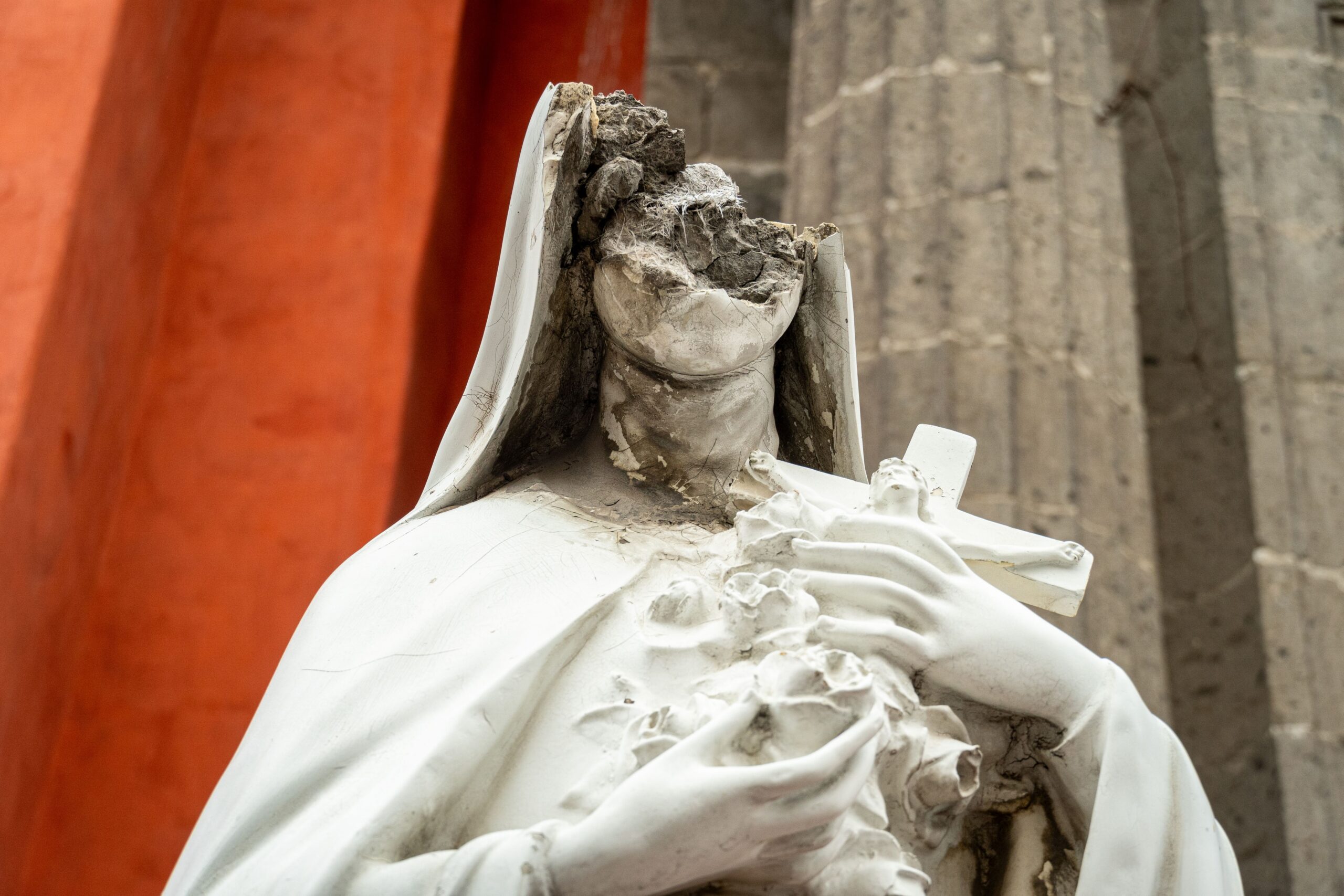
Faith should never leave someone feeling trapped, ashamed, or afraid. Yet many people carry deep wounds from harmful religious experiences. Religious trauma often develops when fear replaces compassion and control replaces genuine spiritual growth. The damage reaches far beyond a person’s beliefs. Confidence, relationships, and personal identity frequently suffer alongside spiritual trust.
Many survivors eventually question whether they can believe anything again. Others avoid every spiritual conversation because painful memories still surface. Neither response means someone has failed. Both reflect the lasting effects of experiences that confused obedience with worthiness.
Recognizing the Wounds
Religious trauma rarely comes from healthy guidance or sincere faith. Instead, it grows within environments demanding unquestioning loyalty while discouraging honest questions. Doubt becomes dangerous instead of welcomed. Individual thought slowly gives way to dependence upon authority.
Fear often becomes the primary teaching tool. Some people learn that mistakes invite punishment instead of growth. Others hear they cannot trust their own judgment because leaders always know better. Over time, personal intuition becomes quieter while anxiety grows louder.
Healthy spiritual communities encourage curiosity, accountability, and personal responsibility. Harmful environments discourage independent thinking because control depends upon unquestioned agreement. That difference matters more than many people realize.
Rebuilding Trust in Yourself
Healing religious trauma begins by recognizing your voice still deserves attention. Recovery does not require rejecting every spiritual belief. Instead, it invites thoughtful examination of what remains true after fear disappears.
Questions become valuable during this process. Honest reflection creates space for wisdom rather than guilt. Personal boundaries also deserve careful attention because healthy spirituality respects individual choice. No teacher, minister, or guide should demand complete surrender of your judgment.
Many people discover their spiritual connection becomes stronger after leaving controlling environments. Freedom allows genuine faith to grow through experience instead of intimidation. Trust gradually returns because it develops through consistent evidence rather than repeated demands.
A Different Path Forward
Healing religious trauma takes patience because deep beliefs rarely change overnight. Old fears may appear unexpectedly. Familiar messages sometimes echo long after leaving unhealthy communities. Progress still happens through small, steady decisions.
Seek relationships that welcome respectful disagreement without threats or shame. Read broadly and think critically. Listen carefully to your inner knowing while remaining open to learning. Healthy teachers encourage discernment instead of dependence. Genuine spirituality invites growth rather than fear.
Your past may always remain part of your story. It does not have to determine your future. Healing creates room for faith built upon compassion, wisdom, and personal responsibility. That foundation lasts because it rests upon truth instead of control.
