

It Is Not That You Cannot Hear It
One of the most common struggles I see is this idea that intuition is quiet or hard to access. That it comes and goes. That it only works sometimes. But more often than not, the issue is not hearing it. The issue is trusting what you hear.
Your intuition tends to show up quickly. It is the first thought, the first feeling, the subtle nudge that does not ask for attention. It simply offers information and then steps back. What follows is where things get complicated.
The Second Voice Gets Louder
Almost immediately, another voice steps in. This one is louder. It asks questions. That voice wants proof. It starts to analyze and pull apart what you just felt. This voice sounds practical. It sounds responsible. It often sounds like the part of you that is trying to keep you safe.
And in many ways, it is.
But it is not your intuition.
This is the voice of conditioning. It is shaped by past experiences, expectations, and the need to avoid being wrong.
When that voice takes over, your initial knowing gets pushed aside. Not because it was incorrect, but because it did not come with enough certainty to compete.
You Were Taught Not to Trust Yourself
Most people were not raised to trust their inner knowing. They were taught to look outward for answers. They learned to rely on validation, approval, and evidence before making decisions. Over time, this creates a disconnect.
You begin to question what you feel. Looking for confirmation before you act. You wait for someone else to agree before you believe yourself. It becomes a habit. And like any habit, it takes intention to change.
Being Right Is Not the Goal
Part of the hesitation comes from the fear of being wrong. There is a belief that intuition should always be accurate. That if you trust it, it should never fail you.
But that expectation creates pressure. Your intuition is not meant to perform. It is meant to guide. There will be moments where you misinterpret what you receive. That is part of learning your own language. It helps you understand how your intuition speaks to you.
Accuracy develops over time. Trust is what allows that process to happen.
Rebuilding Trust Is a Practice
Trusting your intuition is not about forcing yourself to believe it. It is about creating space to notice it without immediately dismissing it. It starts with small moments.
You pause when something feels off instead of brushing it aside. Acknowledge a feeling without needing to explain it. You allow yourself to sit with what you sense before asking for outside input.
These are simple shifts, but they matter. Each time you honor your intuition, even quietly, you reinforce the connection.
You Already Know More Than You Think
If you feel disconnected from your intuition, it does not mean it is gone. It means it has been overridden. Your intuition is still there. It is still offering guidance in subtle ways. The work is not to find it. The work is to trust it again.
And that trust begins by recognizing something simple. You have heard it before. You just did not believe it.
Journal Prompts
- What does my intuition feel like in my body when it first appears?
- What is the difference between my intuitive voice and my thinking voice?
- When was a time I ignored my intuition and later realized it was right?
- What am I afraid will happen if I fully trust my intuition?
- What is one small decision I can make today by listening inward first?
Join the Community focused on Mediumship
Opportunity to meet others on the same path
Products by Tag
-

Butterfly Tote Bag – Eco-Friendly Design for Nature Lovers
$13.00 -

Canvas Tote Bag — “With Brave Wings She Flies” Inspirational Floral Zippered Tote
$30.00 -

Floral Print Duffel Bag – Perfect for Travel and Fitness
Price range: $50.00 through $75.00 -

Lily Dale Iconic locations
$18.40 -

Stay Positive Cotton Canvas Tote Bag
$13.00 -

Stay Positive Yellow Backpack for Spiritual Journeys
$44.44 -

Sunflower Spirit Backpack – Radiate Joy Wherever You Go
$68.00 -
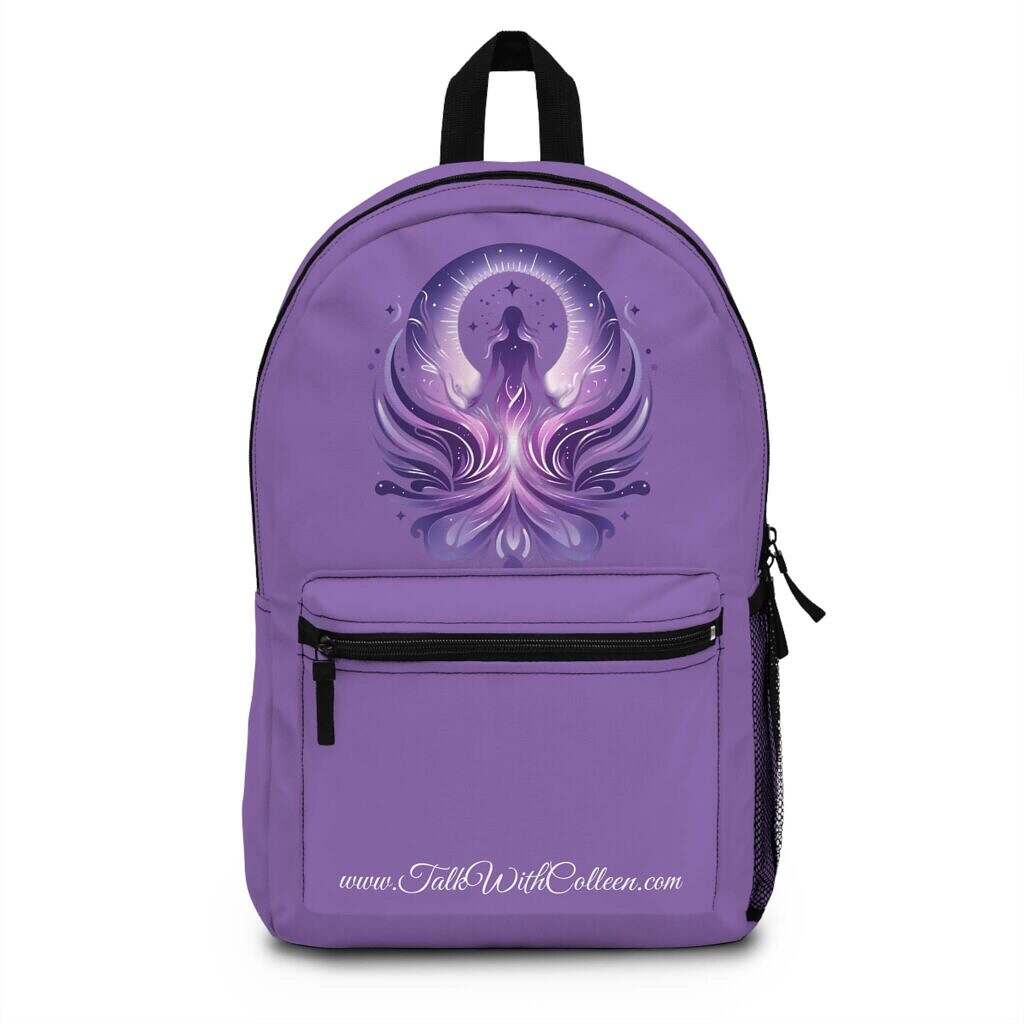
Talk With Colleen Purple Backpack for Spiritual Journeys
$68.00 -

Talk With Colleen Tote Bag – Eco-Friendly Design for Nature Lovers
$17.90
