
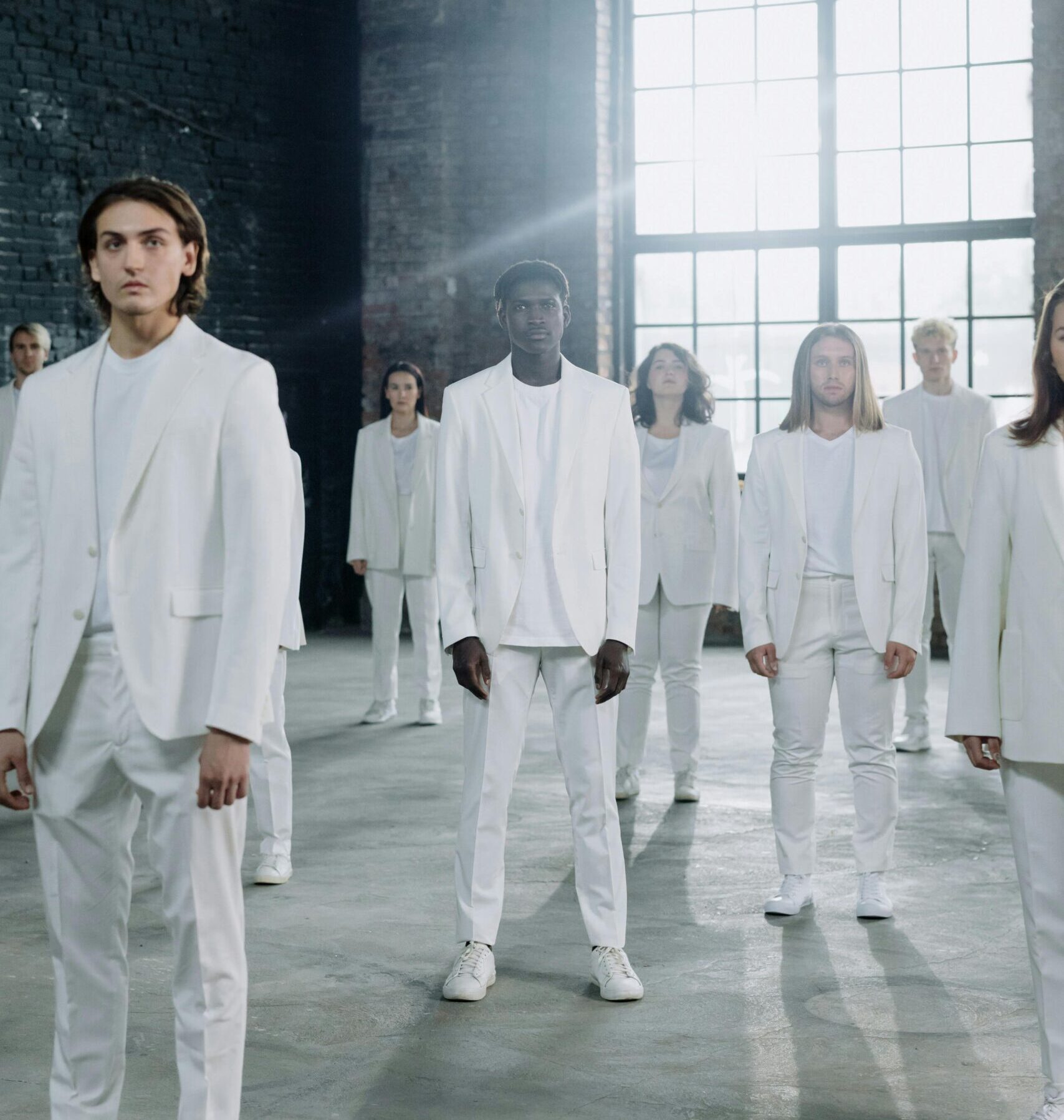
The idea of God is not experienced in just one way. Instead, it is shaped by personal belief, life experience, and the frameworks we are introduced to over time. For some, God feels clearly defined. For others, the understanding continues to evolve. Because of this, the question is often less about what God is and more about how you experience that connection.
Religion and spirituality both play a role in shaping this understanding, yet they do so in different ways. Religion often provides structure, shared belief, and defined teachings about who or what God is. It offers a collective way to understand the divine. In contrast, spirituality is deeply personal. It reflects your individual relationship with the divine and how you experience that connection in your own life.
Religion, Spirituality, and Personal Connection
Religion can offer guidance, tradition, and a sense of belonging. Many people find comfort and meaning within its structure. At the same time, those structures often define how God is viewed, approached, and understood. As a result, your experience may be shaped by the beliefs you were taught or exposed to.
Spirituality, however, invites you to explore beyond those definitions. It encourages you to ask what feels true for you. This does not require you to reject religion. Instead, it allows you to deepen or redefine your relationship with the divine in a way that feels more personal and direct.
For some, this exploration leads to the understanding of “I AM” as a connection to the divine. Rather than seeing God as separate, this perspective suggests that the divine exists within you as well as around you. This idea can feel empowering, yet it also requires reflection and responsibility. If the divine is within, then your thoughts, actions, and awareness carry greater meaning.
At the same time, not everyone will resonate with this perspective, and that is important to acknowledge. Some people feel more connected to a God that exists outside of themselves. Others experience connection through nature, presence, or moments of deep awareness. Each of these experiences holds value, because each reflects a personal relationship with something greater.
Allowing Your Understanding to Evolve
Your understanding of God does not need to remain fixed. In fact, it often shifts as you grow, question, and experience more of life. What once felt certain may expand into something more nuanced. This does not take away from your past beliefs. Instead, it builds upon them.
Rather than trying to fit your experience into a specific definition, allow your understanding to develop naturally. Pay attention to where you feel connection, meaning, and truth. Those moments often guide you more clearly than any external explanation.
Ultimately, the way you define and experience God is personal. Whether you see the divine as within you, around you, or beyond you, the relationship you build with that understanding is what matters most. And that relationship, like all meaningful connections, is allowed to grow and change over time.
Journal Prompts
- How has religion influenced my understanding of God?
- What does spirituality mean to me outside of structured belief systems?
- How do I feel about the idea that the divine may exist within me?
- When do I feel most connected to something greater than myself?
- What beliefs am I ready to explore, expand, or redefine?
Leave a Reply