
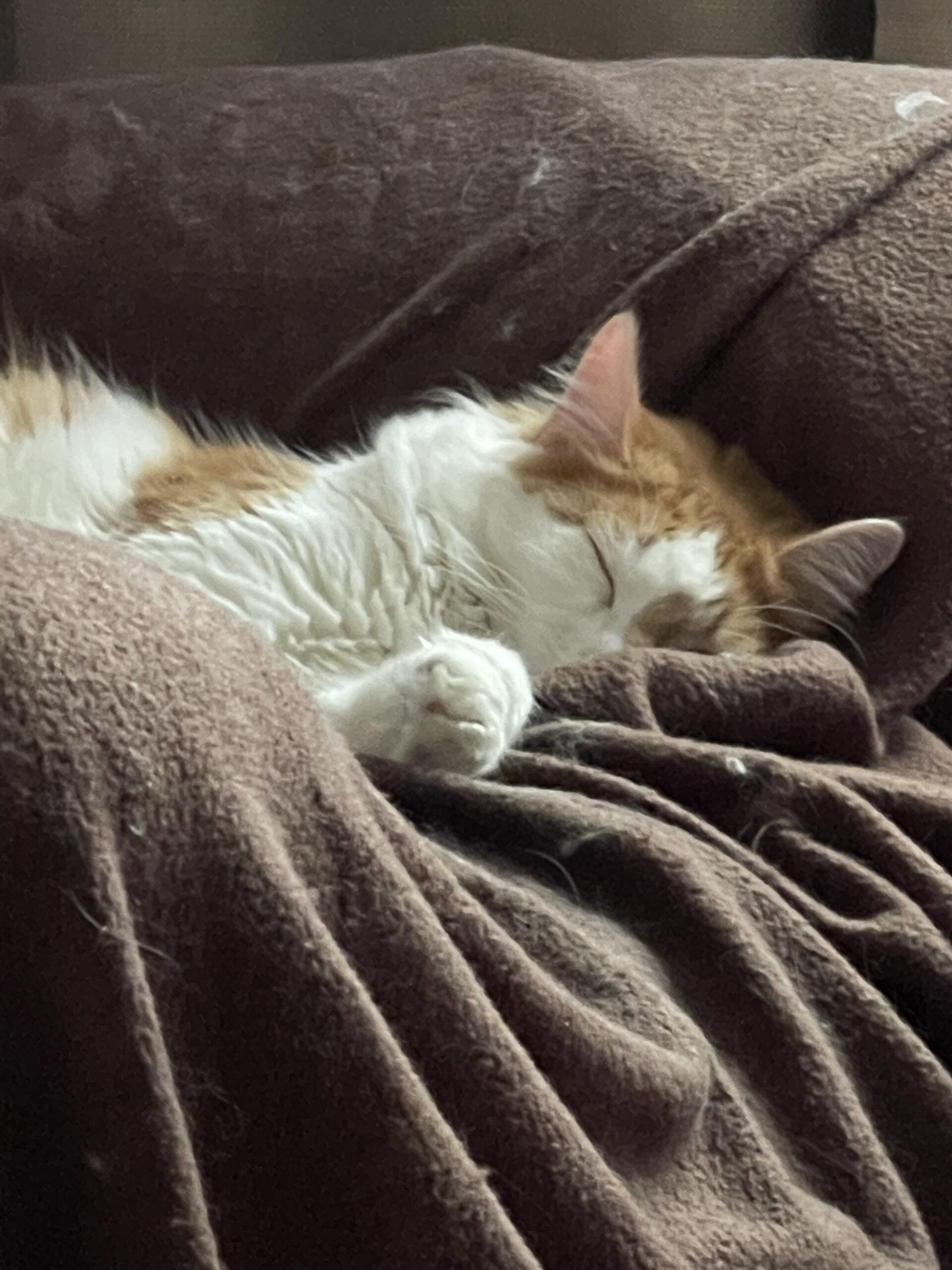
For many years, I thought naps were something other people did. My schedule was too busy, there was always something else to accomplish, and stopping in the middle of the day felt impossible.
That changed when I became a caregiver.
With late-night watches over my mother-in-law, interrupted sleep became part of my routine. There are nights when I am listening for movement, checking on her needs, or simply staying alert because caregiving requires awareness. A full night of uninterrupted sleep is not always guaranteed, so I learned the value of something I once overlooked: power napping.
A short nap does not replace proper rest, but it can provide the reset your mind and body need to continue through the day.
Why Power Napping Works
A power napping session is not about sleeping for hours. The goal is to give your brain a brief opportunity to recover without waking up feeling groggy. A well-timed nap can improve focus, restore energy, and help clear the mental fog that builds when life becomes demanding.
Caregivers understand this challenge deeply. You can be physically exhausted while your mind remains on high alert. Even when you finally sit down, your brain continues tracking medications, appointments, schedules, and the endless details that come with caring for someone else.
That is why short periods of intentional rest matter.
I have learned that a 15- to 30-minute nap can make a noticeable difference. It gives my brain a chance to slow down without pulling me into a deeper sleep cycle that leaves me feeling worse. When I wake up, I often have more patience, better focus, and a clearer perspective.
Rest Is Not a Luxury
Many people struggle with the idea of resting because they associate productivity with constantly doing. They believe stopping means they are falling behind.
The reality is that exhaustion affects everything. It impacts decision-making, emotional regulation, creativity, and the ability to handle everyday challenges. Rest is not an indulgence. It is part of maintaining the energy required to show up for the people and responsibilities that matter.
Power napping has become one of the tools I use to care for myself while caring for someone else. It does not erase the demands of caregiving, but it gives me a moment to recharge and return with a little more capacity.
You do not need hours of free time to benefit from rest. Sometimes, a quiet chair, a timer, and permission to close your eyes for a few minutes can make a meaningful difference.
The goal is not to escape your responsibilities. The goal is to restore yourself so you can meet them with a clearer mind and a stronger spirit.
Rev. Colleen Irwin
Featured Articles
Explore some other areas of the website.




Leave a Reply