
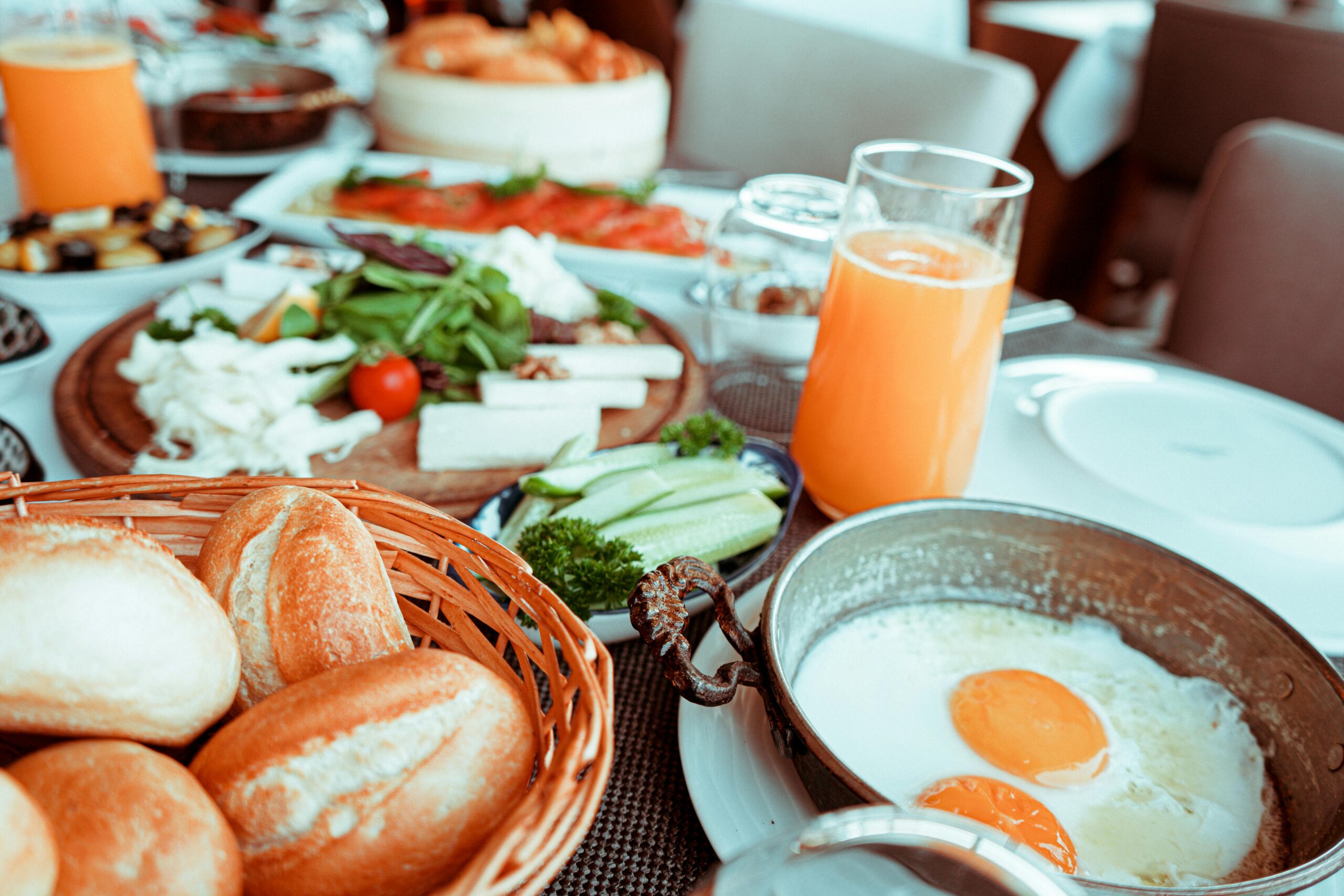

What Is a Wedding Breakfast? (Meaning, History, and Modern Ideas)
Many couples hear the phrase “wedding breakfast” and feel confused. It sounds like a morning meal, yet the wedding breakfast often takes place in the afternoon or evening and looks more like a traditional wedding reception meal than a stack of pancakes.
In this guide, you’ll learn what a wedding breakfast is, where the term comes from, and how modern couples are personalizing this part of their wedding day.
The Historical Meaning of the Wedding Breakfast
The wedding breakfast tradition began centuries ago in the United Kingdom as part of religious wedding customs. Couples would fast before their wedding ceremony as an act of spiritual reflection and preparation before saying their vows.
After the ceremony, the couple shared their first meal together as newlyweds. This special meal symbolically “broke the fast,” and guests joined them to celebrate. Over time, this gathering became known as the wedding breakfast, and the name stayed even as customs evolved.
If you’re searching for UK wedding traditions to include in your day, understanding the meaning of the wedding breakfast can add depth and intention to your reception.
What a Wedding Breakfast Looks Like Today
Today, the wedding breakfast simply refers to the main meal served after the wedding ceremony. In many wedding timelines, it’s what most people think of as the “reception dinner,” even if it is technically held earlier in the day.
Typically, the wedding breakfast:
Takes place at the wedding reception venue after the ceremony.
Signals the shift from formal vows to relaxed celebration.
Gives guests time to sit, eat, and connect before dancing and evening entertainment.
So if you see “wedding breakfast” on a venue brochure or catering proposal, think “post‑ceremony meal” rather than “morning buffet.”
Typical Wedding Breakfast Structure
Most traditional wedding breakfasts follow a familiar three‑course structure, although your menu can be as formal or relaxed as you like:
Starter: A light first course that helps settle guests and encourages conversation.
Main course: A more substantial dish, often with a choice of meat, fish, or vegetarian options.
Dessert: A sweet ending to the formal meal; some couples also add a cheese course.
Many couples then add:
- Coffee and tea service.
- Late‑evening snacks or grazing tables.
- Cake cutting either during or after the wedding breakfast.
When planning your wedding breakfast menu, consider your wedding style, season, cultural traditions, and what will keep guests comfortable and happy throughout the day.
Speeches and Toasts
Speeches are often closely linked to the wedding breakfast in many UK and European wedding traditions. This is why venues and planners will ask when you want to schedule your toasts.
Common choices include:
- Welcome speech from a parent or host.
- Toasts from the wedding party or close friends.
- A speech from one or both partners.
These moments add humor, gratitude, and heartfelt reflection to your wedding day. Guests often remember a meaningful speech or funny toast just as clearly as the food itself, so it’s worth planning where speeches will fit into your wedding breakfast timeline.
Seating, Atmosphere, and Table Layout
Your seating plan can completely change the atmosphere of your wedding breakfast. Thoughtful placement encourages conversation, connection, and a sense of shared celebration.
Popular layouts include:
- Round tables: Create an intimate, sociable feel where guests can easily talk to one another.
- Long banquet tables: Ideal for a relaxed, family‑style atmosphere and a strong sense of everyone celebrating together.
Couples often choose to mix both families and friendship groups, helping people connect and making everyone feel included in the day.
Personalizing Your Wedding Breakfast
Modern couples are moving away from one‑size‑fits‑all reception meals and using the wedding breakfast to express their story and personality. You might personalize your wedding breakfast by:
- Choosing a menu that reflects your culture or heritage.
- Serving favorite dishes from your relationship or travels.
- Incorporating local, seasonal ingredients from your region.
- Selecting between plated service, buffet, or family‑style meals depending on how formal you want your wedding to feel.
Make sure your menu also takes into account dietary needs, allergies, and vegetarian or vegan guests so that everyone feels considered and cared for.
Brunch Wedding and Morning Receptions
For couples who prefer a relaxed, daytime celebration (or who want to save on costs), a morning ceremony followed by a brunch‑style breakfast can be a beautiful choice.
A brunch wedding might include:
- Pastries, fresh fruit, and yogurt.
- Eggs, quiche, or breakfast casseroles.
- Waffles, pancakes, or French toast.
- Light salads and lighter lunch‑style dishes.
- Mimosas, coffee, tea, and juice.
Brunch menus are often more budget‑friendly than formal evening dinners, and the overall atmosphere can feel bright, intimate, and casual. This option is especially popular for small weddings, second weddings, or couples who love breakfast foods and daytime gatherings.
Why the Wedding Breakfast Still Matters
Although the term “wedding breakfast” comes from an older tradition, the heart of it remains the same: it’s about sharing the first meal of married life surrounded by people you love.
This part of your wedding day:
- Gives you a moment to breathe after the ceremony.
- Welcomes your guests into your new life as a married couple.
- Creates memories through food, laughter, and conversation.
Whether you choose a formal three‑course meal, a relaxed buffet, or a sunny brunch, your wedding breakfast is more than just food on plates. It’s a ritual of togetherness and a beautiful way to begin your marriage.