
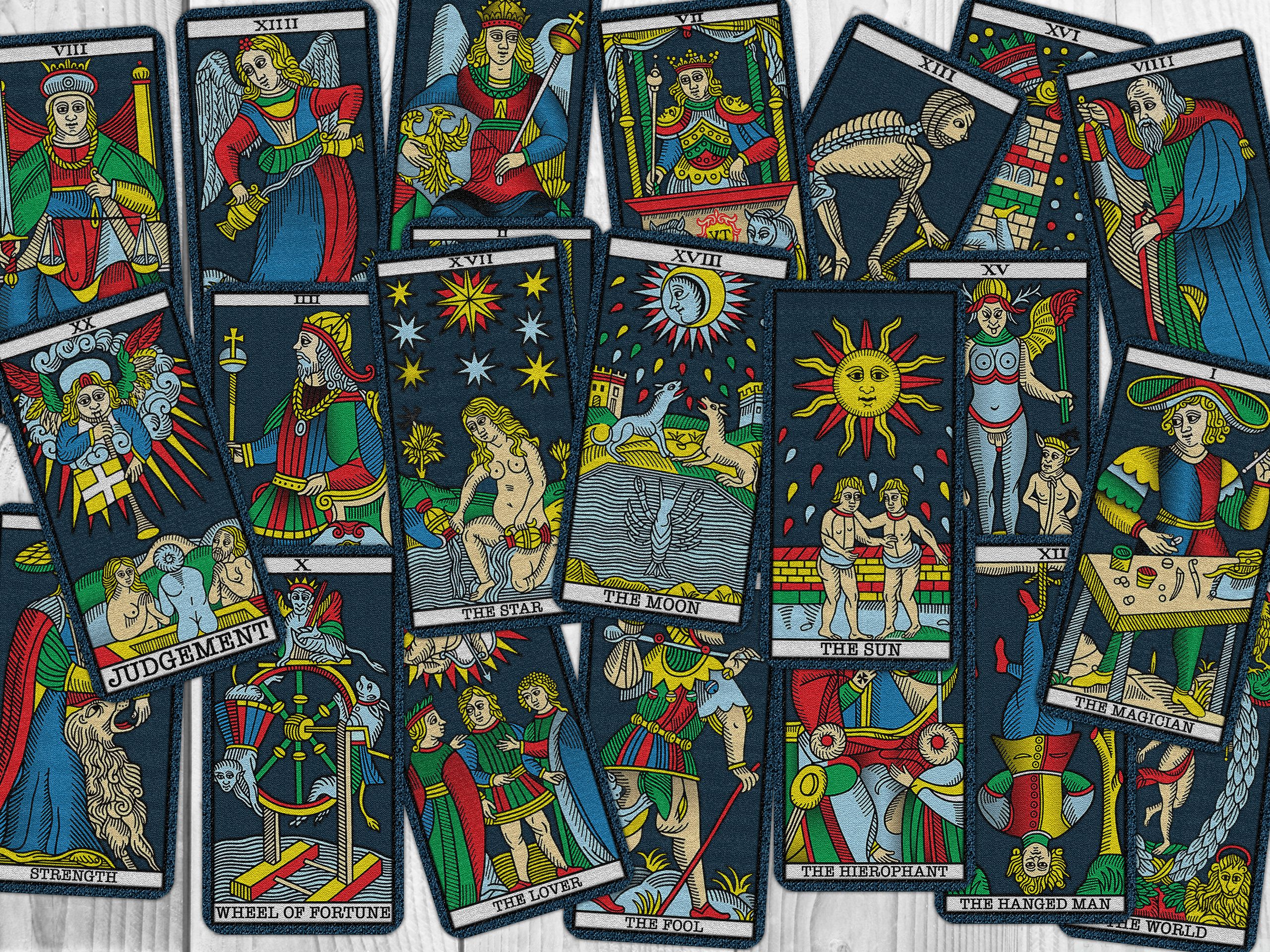
There is a point in some Tarot readings when I start wondering whether we are still looking for insight or whether we are looking for a different answer.
Those two things can look remarkably similar. We pull another card because the first one did not make sense. We try another spread because we want more context. We reword the question because we realize we asked the wrong thing. All of those can be reasonable ways to explore a situation.
Sometimes, though, nothing about the situation has changed. We simply did not like what we saw.
That is when Tarot can become a way to avoid the question we actually need to answer.
Sometimes the Cards Aren’t the Problem
We do not always avoid an answer because we disagree with it. Sometimes we avoid it because accepting it would require something from us.
Leaving a job might mean giving up financial security. Ending a relationship might mean facing loneliness or disappointing someone we care about. Setting a boundary could create conflict. Admitting that something has changed might mean grieving the future we expected.
A Tarot reading can bring those possibilities into focus without creating them.
That can be uncomfortable because the cards may be reflecting something we already suspected. We may have known for weeks that a situation was not working. We may have noticed the same pattern in a relationship over and over. We may already understand what needs to happen, but understanding something and being ready to act on it are not the same thing.
Pulling another card can feel easier than dealing with that difference.
When Another Card Won’t Change the Answer
There is nothing inherently wrong with pulling more than one card. Sometimes the first card raises a question that deserves exploration. A second card can provide context, show another part of the situation, or help us understand something we initially missed.
The problem comes when we keep pulling because we want the reading to change.
We might ask the same question several different ways. Then we pull another card when we do not like that answer. Perhaps the next card looks more encouraging, so we pull another to make sure. Eventually, we have a collection of cards that seem to say several different things, and we are left trying to find the interpretation that gives us the outcome we wanted.
At that point, more cards have not necessarily given us more information. They may have simply given us more material to negotiate with.
The question becomes less about what the reading is showing us and more about whether we can find a card we like better.
Are You Looking for Information or Permission?
This distinction matters because Tarot can easily become a substitute for making our own decisions.
Consider the difference between asking, “What should I understand about leaving this job?” and asking, “Will the cards tell me whether I should quit?”
The first question invites information. The second asks the cards to take on some of the responsibility for the decision.
That can feel appealing when the choice carries consequences. If the cards tell us to leave, we can tell ourselves that the decision came from the reading. If they tell us to stay, we can postpone a difficult conversation. Either way, we have moved some of the weight of the decision outside ourselves.
Tarot can help us examine a choice. It does not need to become the authority that makes the choice for us.
There is a difference between using a reading to become more thoughtful about a decision and using a reading to avoid owning the decision.
Not Every Second Reading Is Avoidance
I want to be careful here because returning to a question does not automatically mean we are avoiding something.
Circumstances change. New information becomes available. We may have misunderstood the original question. A conversation may have happened, a job offer may have arrived, or a relationship may have shifted in a meaningful way.
Those changes can justify another reading because we are no longer asking exactly the same question in exactly the same circumstances.
Clarification can also be useful. Sometimes a reading genuinely leaves us with something we do not understand, and another card helps us see the relationship between the pieces. That is exploration, not necessarily avoidance.
The distinction is worth noticing: What has changed since I last asked?
If the circumstances have changed, we may have a new question. If nothing has changed except our dissatisfaction with the answer, we may be doing something else.
Sometimes We Are Avoiding an Emotion
Not every Tarot question is really about what will happen.
Sometimes the question underneath the question is whether we can tolerate what we already feel.
- Will they come back?
- Will I get the job?
- Will this relationship work?
- Will everything be okay?
Those questions can carry fear, hope, grief, anger, or a desire for reassurance. We may believe we are looking for information about the future when we are actually trying to escape the discomfort of not knowing.
Another card cannot necessarily solve that discomfort.
Sometimes we need to recognize that uncertainty is part of the situation. We can gather information, consider our options, and make the best decision available to us without knowing exactly how everything will turn out.
That is harder than receiving a definitive answer. It is also more honest.
What Would You Have to Face?
One of the questions I find useful when a reading keeps going in circles is surprisingly simple: What would I have to face if I stopped pulling cards?
Maybe the answer is a decision we do not want to make. Maybe it is a conversation we have been postponing. Perhaps we would have to admit that someone is unlikely to become the person we hoped they would be. We might have to acknowledge that an opportunity is not right for us even though we wanted it badly.
The question does not require us to accept the Tarot reading as fact. It asks us to look at ourselves honestly. Another useful question is: Am I looking for more information, or am I looking for permission?
There is no shame in discovering that we want reassurance. We are human. Sometimes we want someone—or something—to tell us that everything will work out.
Recognizing that desire, however, gives us a chance to decide whether another card will actually help.
Tarot Does Not Have to Make the Decision
I think Tarot works best when we let it contribute to our thinking without asking it to replace our thinking.
A reading can show us something we overlooked. It can help us frame a question differently. It can bring an uncomfortable possibility into the room or remind us of something we had pushed aside. Sometimes it gives us language for something we could feel but had not yet articulated.
None of that requires us to surrender our judgment.
We still have to weigh evidence. We still have to consider circumstances. We still have to listen to the people involved and pay attention to what actually happens. Most importantly, we still have to decide what we are willing to do.
That is part of the value of a Tarot reading. It can help us look more carefully without taking responsibility away from us.
Know When to Put the Cards Down
Sometimes the most useful thing we can do after a reading is stop pulling cards.
Not because the cards have failed us. Not because another card could never offer anything useful. Sometimes we simply have enough information for the moment, and what remains is ours to consider.
We may not like what we saw. We may not know what we are going to do yet. We may need time before we can act.
That is different from needing one more card to tell us what we already know.
The next card might genuinely change the way we understand a situation. It might also simply give us another opportunity to avoid dealing with the question.
Knowing which one we are doing is part of the reading, too.

exclusive
Guided by Spirit
- Build Psychic & Mediumship Skills
- Workbook for Students & Facilitators
- How to create your own circle


Leave a Reply